|
| |
|
|
|
|
|
1
|
 |
W-74 How Do Fish Breathe?
Fish live in water.
Fish need oxygen to live.
Water has oxygen inside.
Fish open the mouth in water.
Water goes into the mouth.
Water moves to the gills.
Gills are soft body parts.
Gills are on...
|
|
교재보기
영어낭독
|
|
|
2
|
 |
W-79 Why Do Birds Fly?
Birds can fly in the sky.
Birds have wings on the body.
Wings are strong body parts.
Wings help birds move in air.
Birds flap the wings fast.
Air moves under the wings.
The air pushes the bird u...
|
|
교재보기
영어낭독
|
|
|
3
|
 |
W-73 How Do Bees Make Honey?
Bees live together in a hive.
Bees need food to live.
Flowers make sweet nectar.
Bees fly to the flowers.
Bees drink nectar from flowers.
Nectar goes into the bee’s body.
The bee flies back to...
|
|
교재보기
영어낭독
|
|
|
4
|
 |
W-68 Why Do Dogs Bark?
Dogs live with people.
Dogs use sounds to talk.
Barking is a dog sound.
Dogs bark to share feelings.
Dogs bark when they are happy.
Happiness makes dogs bark.
Dogs bark when they are scared.
Fe...
|
|
교재보기
영어낭독
|
|
|
5
|
 |
W-69 How Do Cats Clean Themselves?
Cats clean the body every day.
Cats use the tongue to clean.
The tongue is rough.
The tongue has small hooks.
Cats lick the fur.
The tongue pulls dirt out.
Saliva goes on the fur.
Saliva helps ...
|
|
교재보기
영어낭독
|
|
|
6
|
 |
W-64 Why Do Turtles Have Shells?
Turtles are animals.
Turtles have a hard shell.
The shell is part of the body.
The shell covers the turtle.
The shell is very strong.
Strong shells stop danger.
Some animals want to bite turtles...
|
|
교재보기
영어낭독
|
|
|
7
|
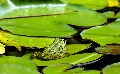 |
W-84 How Do Frogs Jump?
Frogs jump to move.
Frogs jump to escape danger.
Frogs have long back legs.
The back legs are very strong.
Strong muscles are inside the legs.
Frogs bend the back legs.
The body moves close to t...
|
|
교재보기
영어낭독
|
|
|
8
|
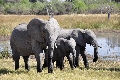 |
W-78 Why Do Elephants Have Big Ears?
Elephants live in hot places.
Hot weather makes the body warm.
The body needs to cool down.
Elephants have very big ears.
The ears are thin and wide.
Blood moves inside the ears.
Warm blood goes...
|
|
교재보기
영어낭독
|
|
|
9
|
 |
W-82 How Do Ants Work Together?
Ants live in groups.
The group is called a colony.
Many ants live in one colony.
Each ant has a job.
Some ants find food.
Some ants take care of eggs.
Some ants protect the colony.
Ants use sme...
|
|
교재보기
영어낭독
|
|
|
10
|
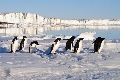 |
W-71 Why Do Penguins Stay Warm?
Penguins live in cold places.
Cold weather can hurt the body.
The body needs to stay warm.
Penguins have thick feathers.
Feathers trap warm air.
Warm air stays near the body.
Penguins have a lay...
|
|
교재보기
영어낭독
|
|
|
11
|
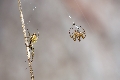 |
W-89 How Do Spiders Make Webs?
Spiders make webs to catch food.
Spiders have silk inside the body.
Silk is a strong thread.
Silk comes out from the spinnerets.
Spinnerets are at the back of the body.
Spiders choose a good plac...
|
|
교재보기
영어낭독
|
|
|
12
|
 |
W-74 Why Do Owls See at Night?
Owls are active at night.
Night time is very dark.
Seeing helps owls find food.
Owls have very big eyes.
Big eyes let in more light.
More light helps seeing.
Owls have special eye cells.
These ...
|
|
교재보기
영어낭독
|
|
|
13
|
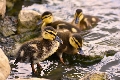 |
W-75 How Do Ducks Swim?
Ducks swim in water.
Water supports the body.
Ducks have webbed feet.
The feet are wide and flat.
Wide feet push water back.
Water pushes the duck forward.
Ducks move one foot at a time.
The fe...
|
|
교재보기
영어낭독
|
|
|
14
|
 |
W-79 Why Do Bears Sleep in Winter?
Bears live in places with cold winters.
Winter has less food.
Food is hard to find.
The body needs energy.
Bears eat a lot before winter.
Food turns into fat.
Fat stays in the body.
Bears find ...
|
|
교재보기
영어낭독
|
|
|
15
|
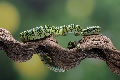 |
W-74 How Do Snakes Move?
Snakes move on the ground.
Snakes do not have legs.
Snakes have long bodies.
The body has many muscles.
Muscles help the body move.
Snakes bend the body left.
Snakes bend the body right.
The bo...
|
|
교재보기
영어낭독
|
|
|
16
|
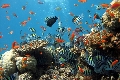 |
W-72 Why Do Fish Have Fins?
Fish live in water.
Water moves around the body.
Fish need fins to move.
Fins are body parts.
Fins are flat and thin.
Fish move fins in water.
Fins push water back.
The body moves forward.
Fis...
|
|
교재보기
영어낭독
|
|
|
17
|
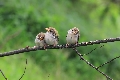 |
W-63 How Do Birds Build Nests?
Birds live outside.
Birds need a safe home.
Birds build nests.
Nests are small homes.
Birds use the beak.
The beak picks up sticks.
Birds find grass and leaves.
Birds carry soft things.
Birds ...
|
|
교재보기
영어낭독
|
|
|
18
|
 |
W-66 Why Do Rabbits Have Long Ears?
Rabbits live on land.
Rabbits need to stay safe.
Rabbits have long ears.
Ears are body parts.
Long ears hear sounds.
Sounds come from far away.
Rabbits hear danger early.
Rabbits move the ears....
|
|
교재보기
영어낭독
|
|
|
19
|
 |
W-64 How Do Whales Breathe Air?
Whales live in water.
Whales are mammals.
Mammals need air to live.
Whales breathe air.
Whales have lungs.
Lungs use air.
Whales swim under water.
Whales must go up.
Whales swim to the surface...
|
|
교재보기
영어낭독
|
|
|
20
|
 |
W-62 Why Do Lions Live in Groups?
Lions live on land.
Lions live in Africa.
Lions live in groups.
A group is called a pride.
Lions need food to live.
Lions hunt animals.
Hunting is hard alone.
Lions hunt together.
Groups help ...
|
|
교재보기
영어낭독
|
|
|
21
|
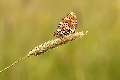 |
W-71 How Do Butterflies Eat?
Butterflies eat food.
Butterflies eat liquid food.
Flowers make sweet nectar.
Nectar is a kind of food.
Butterflies find flowers.
Butterflies land on flowers.
Butterflies have a long mouth.
The...
|
|
교재보기
영어낭독
|
|
|
22
|
 |
W-64 Why Do Giraffes Have Long Necks?
Giraffes live on land.
Giraffes are very tall.
Giraffes have long necks.
Necks are body parts.
Trees are very tall.
Leaves grow high on trees.
Giraffes eat leaves.
Long necks reach high leaves....
|
|
교재보기
영어낭독
|
|
|
23
|
 |
W-63 How Do Crabs Walk Sideways?
Crabs live near water.
Crabs have hard shells.
Crabs have many legs.
Crab legs bend sideways.
The legs do not bend forward.
Crabs move legs to the side.
The body follows the legs.
Crabs walk si...
|
|
교재보기
영어낭독
|
|
|
24
|
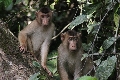 |
W-59 Why Do Monkeys Climb Trees?
Monkeys live on land.
Monkeys live near trees.
Monkeys climb trees.
Trees are tall plants.
Monkeys climb to get food.
Fruits grow on trees.
Leaves grow on trees.
Monkeys eat fruits and leaves.
...
|
|
교재보기
영어낭독
|
|
|
25
|
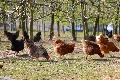 |
W-72 How Do Chickens Lay Eggs?
Chickens live on farms.
Chickens are birds.
Female chickens lay eggs.
The female is called a hen.
Hens eat food every day.
Food helps make eggs.
An egg grows inside the body.
The egg gets a har...
|
|
교재보기
영어낭독
|
|
|
26
|
 |
W-64 Why Do Horses Run Fast?
Horses live on land.
Horses are big animals.
Horses have long legs.
Long legs help run fast.
Horses run to move far.
Horses run to find food.
Horses run from danger.
Danger comes close.
Horses...
|
|
교재보기
영어낭독
|
|
|
27
|
 |
W-67 How Do Frogs Change Color?
Frogs live on land and water.
Some frogs change color.
Color is on the skin.
The skin has special cells.
These cells hold color.
Light hits the skin.
The cells move color inside.
The skin looks...
|
|
교재보기
영어낭독
|
|
|
28
|
 |
W-62 Why Do Seals Like Water?
Seals live near the sea.
Seals like water.
Water is their home.
Seals have strong bodies.
Seals swim very well.
Water helps seals move.
Seals use flippers to swim.
Flippers push water back.
Th...
|
|
교재보기
영어낭독
|
|
|
29
|
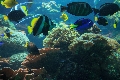 |
W-62 How Do Fish Sleep?
Fish live in water.
Fish need rest.
Fish do not close eyes.
Fish sleep with eyes open.
Fish slow the body.
The body moves less.
Fish stop swimming fast.
Some fish float in water.
Some fish res...
|
|
교재보기
영어낭독
|
|
|
30
|
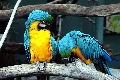 |
W-57 Why Do Parrots Copy Sounds?
Parrots are birds.
Parrots live in groups.
Parrots hear many sounds.
Parrots copy sounds.
Sounds come from birds.
Sounds come from people.
Parrots use the beak and tongue.
The mouth makes sound...
|
|
교재보기
영어낭독
|
|
|
31
|
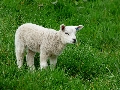 |
W-61 How Do Sheep Stay Warm?
Sheep live on land.
Sheep feel cold in winter.
Sheep have thick wool.
Wool grows on the body.
Wool is soft and curly.
Wool traps warm air.
Warm air stays close.
The body stays warm.
Wool block...
|
|
교재보기
영어낭독
|
|
|
32
|
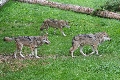 |
W-60 Why Do Wolves Howl?
Wolves live on land.
Wolves live in groups.
A group is called a pack.
Wolves howl to talk.
Howls are loud sounds.
Sounds travel far.
Wolves howl to find others.
The pack hears the sound.
Wolve...
|
|
교재보기
영어낭독
|
|
|
33
|
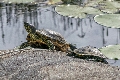 |
W-62 How Do Turtles Swim?
Turtles live in water.
Some turtles live on land too.
Turtles swim in water.
Turtles have strong legs.
Sea turtles have flippers.
Flippers are flat and wide.
Turtles move flippers forward.
Flip...
|
|
교재보기
영어낭독
|
|
|
34
|
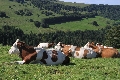 |
W-61 Why Do Cows Eat Grass?
Cows live on land.
Cows eat grass.
Grass grows on fields.
Grass is easy to find.
Cows have strong mouths.
Cows pull grass up.
Cows chew grass slowly.
Grass goes into the stomach.
Cows have spe...
|
|
교재보기
영어낭독
|
|
|
35
|
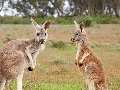 |
W-61 How Do Kangaroos Jump Far?
Kangaroos live on land.
Kangaroos have strong back legs.
Back legs are very long.
Kangaroos have big feet.
The feet push the ground.
Strong legs store energy.
Energy builds in the legs.
Kangaro...
|
|
교재보기
영어낭독
|
|
|
36
|
 |
W-56 Why Do Birds Have Feathers?
Birds are animals.
Birds have feathers.
Feathers cover the body.
Feathers are light and soft.
Feathers help birds fly.
Wings have many feathers.
Feathers push air down.
The body moves up.
Feat...
|
|
교재보기
영어낭독
|
|
|
37
|
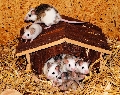 |
W-61 How Do Mice Find Food?
Mice live on land.
Mice are small animals.
Mice need food to live.
Mice use the nose.
The nose smells food.
Smells travel in air.
Mice follow the smell.
Mice use the whiskers.
Whiskers feel sm...
|
|
교재보기
영어낭독
|
|
|
38
|
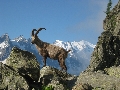 |
W-57 Why Do Goats Climb Rocks?
Goats live on land.
Goats climb rocks.
Rocks are high places.
Goats have strong legs.
Hooves grip hard ground.
Goats balance very well.
Climbing helps find food.
Plants grow on rocks.
Other an...
|
|
교재보기
영어낭독
|
|
|
39
|
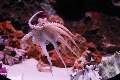 |
W-65 How Do Octopuses Hide?
Octopuses live in the sea.
Octopuses have soft bodies.
Octopuses need to stay safe.
Octopuses hide from danger.
The skin can change color.
The color matches the place.
Octopuses look like rocks....
|
|
교재보기
영어낭독
|
|
|
40
|
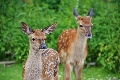 |
W-57 Why Do Deer Run Away Fast?
Deer live on land.
Deer are quiet animals.
Deer need to stay safe.
Deer run away fast.
Danger comes close.
Deer hear sounds early.
Deer see movement quickly.
Strong legs help run fast.
The leg...
|
|
교재보기
영어낭독
|
|
|
41
|
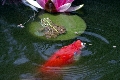 |
W-63 How Do Frogs Catch Bugs?
Frogs eat bugs.
Bugs move very fast.
Frogs sit very still.
Frogs watch with big eyes.
A bug comes close.
Frogs open the mouth.
Frogs use a long tongue.
The tongue shoots out fast.
The tongue i...
|
|
교재보기
영어낭독
|
|
|
42
|
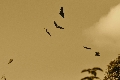 |
W-52 Why Do Bats Sleep Upside Down?
Bats live on land.
Bats sleep in caves.
Bats sleep upside down.
Bats have light bodies.
Feet grip high places.
Claws hold tight.
Hanging saves energy.
Bats rest without falling.
The head point...
|
|
교재보기
영어낭독
|
|
|
43
|
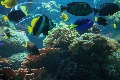 |
W-58 How Do Fish Find Food?
Fish live in water.
Fish need food to live.
Fish use the eyes.
The eyes see small food.
Fish use the nose.
The nose smells food.
Smells move in water.
Fish follow the smell.
Fish feel movement...
|
|
교재보기
영어낭독
|
|
|
44
|
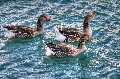 |
W-57 Why Do Ducks Have Flat Feet?
Ducks live near water.
Ducks swim in water.
Ducks have flat feet.
Flat feet are wide.
Flat feet push water back.
The body moves forward.
Ducks swim easily.
Flat feet help turn.
Ducks change di...
|
|
교재보기
영어낭독
|
|
|
45
|
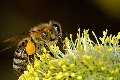 |
W-59 How Do Bees Find Flowers?
Bees look for food.
Flowers make sweet nectar.
Bees fly in the air.
Bees use the eyes.
The eyes see bright colors.
Flowers have bright colors.
Bees see flowers easily.
Bees use the nose too.
T...
|
|
교재보기
영어낭독
|
|
|
46
|
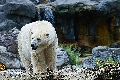 |
W-59 Why Do Polar Bears Have Fur?
Polar bears live in cold places.
Snow and ice are very cold.
Polar bears have thick fur.
Fur covers the body.
Fur is long and dense.
Fur traps warm air.
Warm air stays close.
The body stays war...
|
|
교재보기
영어낭독
|
|
|
47
|
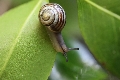 |
W-58 How Do Snails Move Slowly?
Snails live on land.
Snails move very slowly.
Snails have soft bodies.
Snails have one long foot.
The foot is under the body.
The foot makes wave moves.
The body slides forward.
Snails make sli...
|
|
교재보기
영어낭독
|
|
|
48
|
 |
W-61 Why Do Animals Have Tails?
Animals live on land and water.
Many animals have tails.
A tail is a body part.
Tails help animals balance.
Animals move and run.
The tail keeps the body steady.
Tails help animals turn.
Animal...
|
|
교재보기
영어낭독
|
|
|
49
|
 |
W-60 How Do Birds Drink Water?
Birds need water to live.
Birds find water.
Water stays in ponds.
Water stays in bowls.
Birds walk to water.
Birds dip the beak.
The beak picks up water.
Birds lift the head.
Water goes down t...
|
|
교재보기
영어낭독
|
|
|
50
|
 |
W-63 Why Do Fish Live in Groups?
Fish live in water.
Many fish live in groups.
A group is called a school.
Fish stay close together.
Groups help fish stay safe.
Big fish hunt alone.
Small fish are easy targets.
Groups look big...
|
|
교재보기
영어낭독
|
|